
Padding Supplies
.
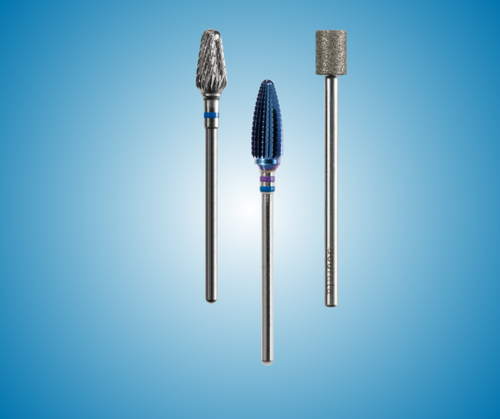
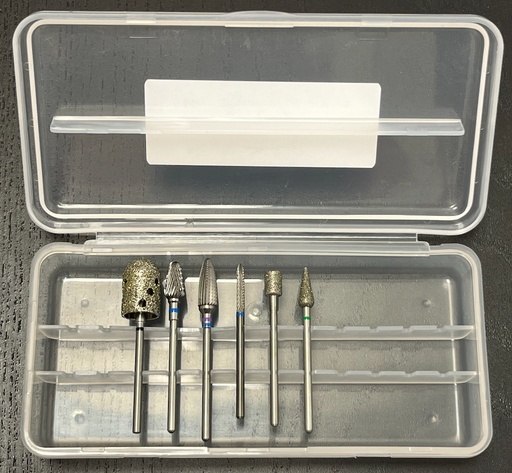
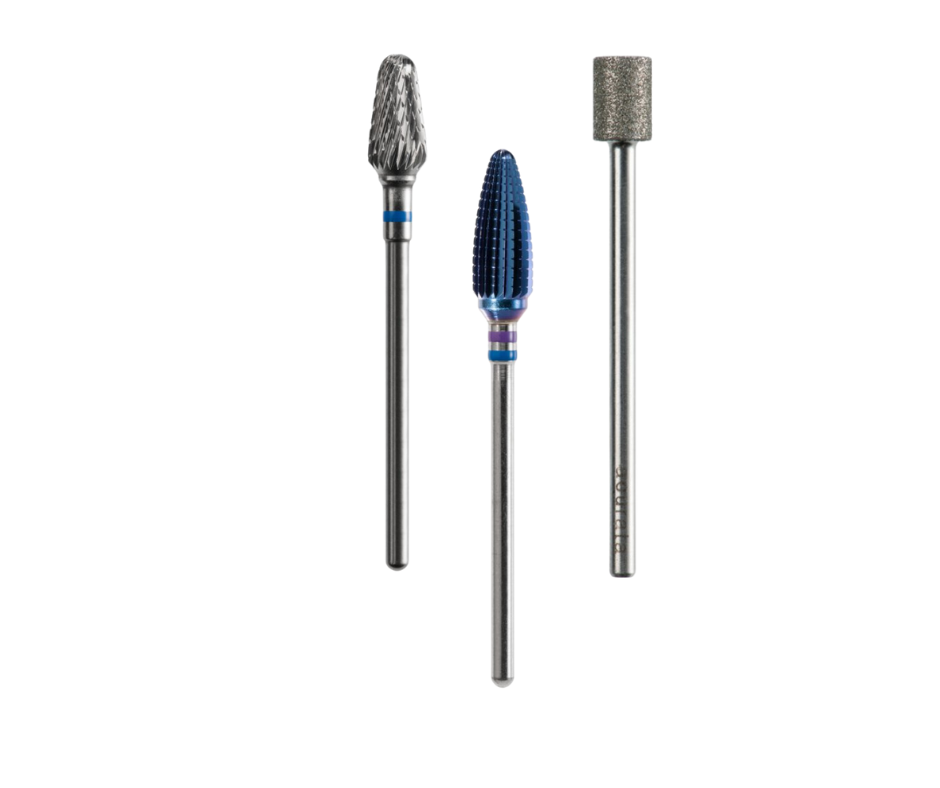
Rotatool Advanced Bur KIT (6 piece) This bur KIT includes a selection of popular Rotatool diamond and carbide burs. The advanced KIT includes...
View full details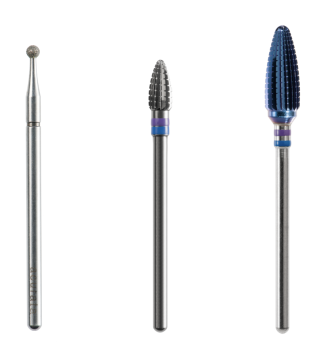
Rotatool ToeFX Bur Package (3 piece) The perfect combination of burs to prepare nails for ToeFX treatment! The KIT includes: RT421M Dia...
View full details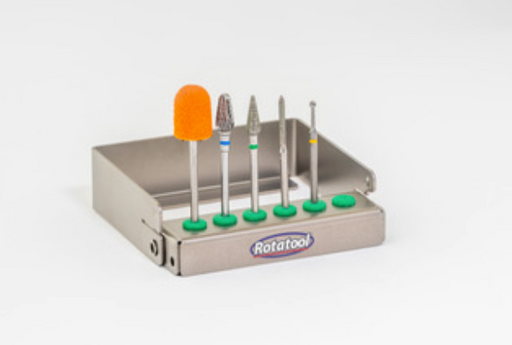
Rotatool Standard Bur KIT (5 piece) This is a great starter KIT that provides four of the most popular Rotatool diamond and carbide burs as well...
View full details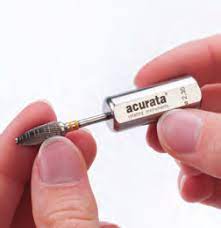
Rotatool Bur Concentricity Gauge RT030 This easy to use gauge tests bur shafts to ensure they are straight. Bent bur shafts are one of the leadi...
View full details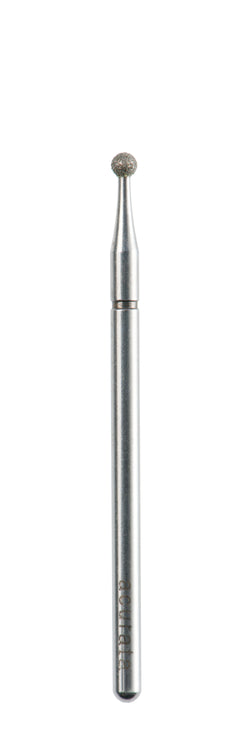
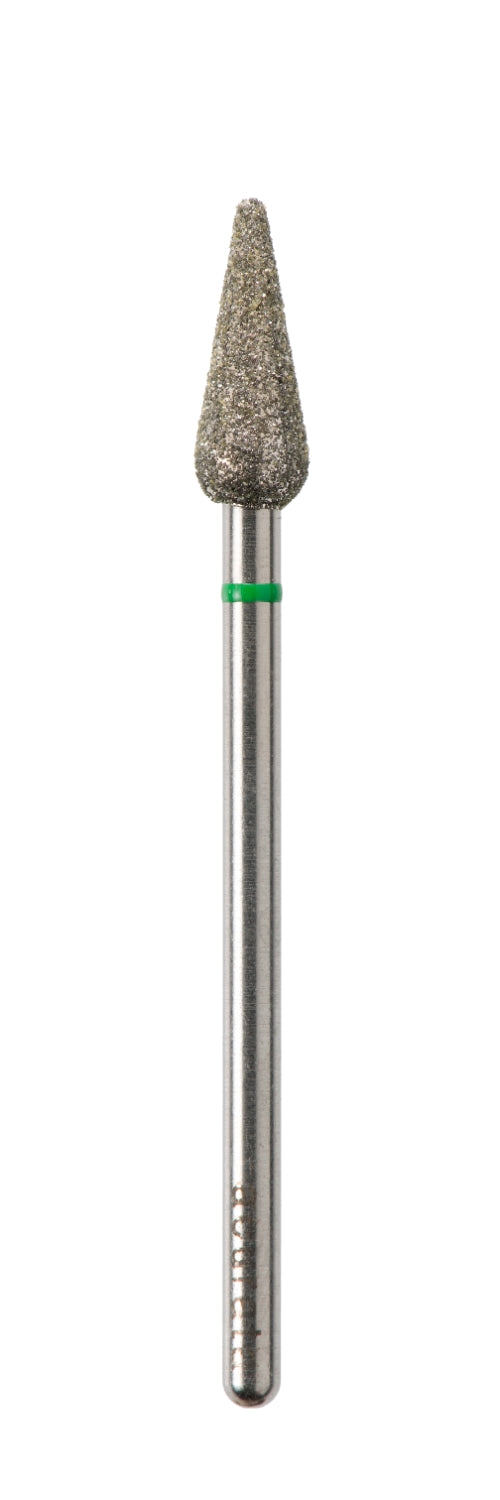
Rotatool RT478C DIAMOND SMALL CONE COARSE GRIT High quality, long lasting diamond bur manufactured in Germany by Acurata.More Info
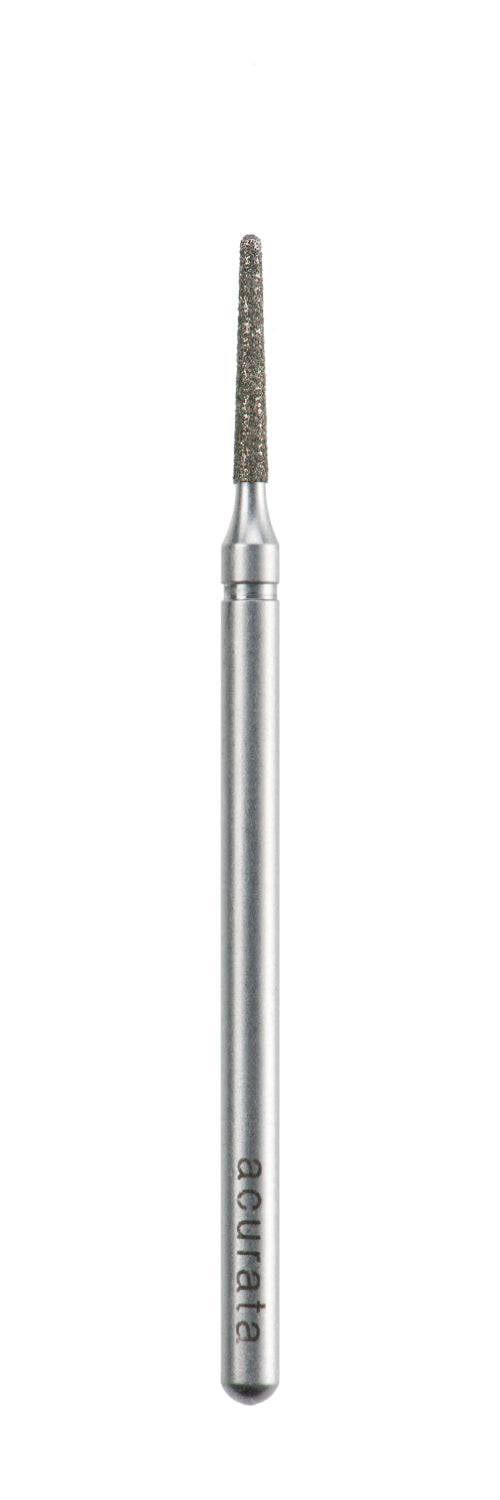
Rotatool RT430M DIAMOND SMALL TAPERED POINT MEDIUM GRIT High quality, long lasting diamond bur manufactured in Germany by Acurata.More Info
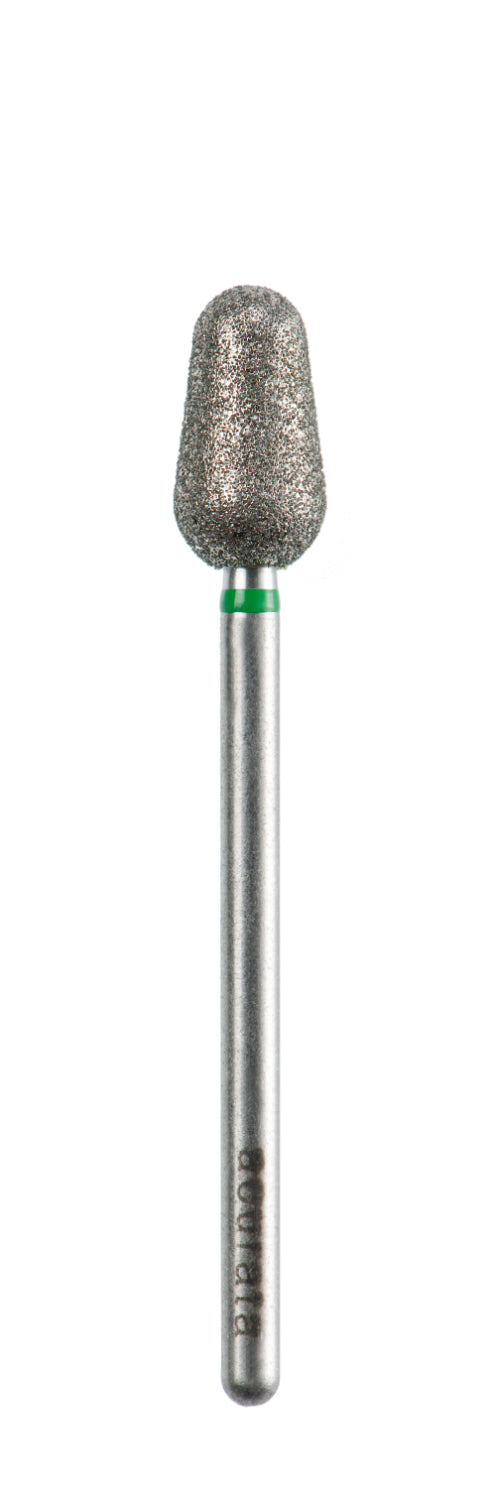
Rotatool RT476C DIAMOND SMALL BUD COARSE GRIT High quality, long lasting diamond bur manufactured in Germany by Acurata.More Info
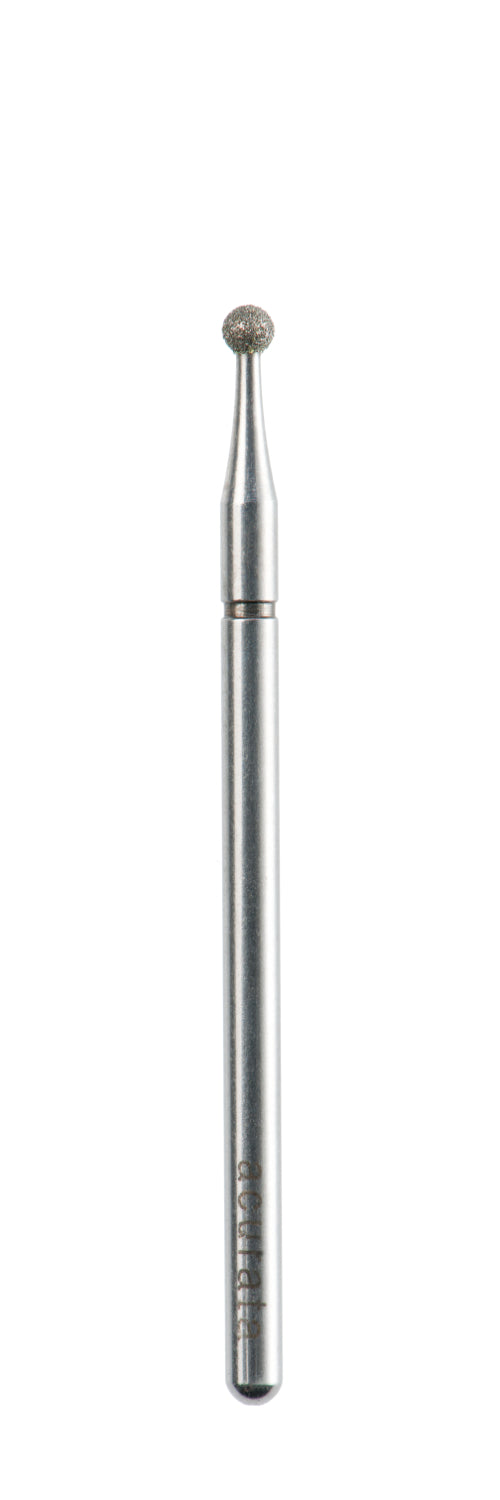
Rotatool RT421M DIAMOND BALL BUR 2.1MM High Quality, long lasting diamond bur manufactured in Germany. More Info
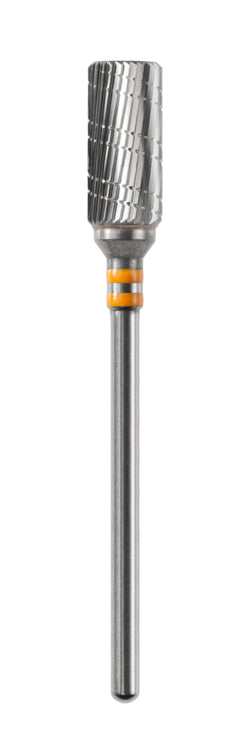
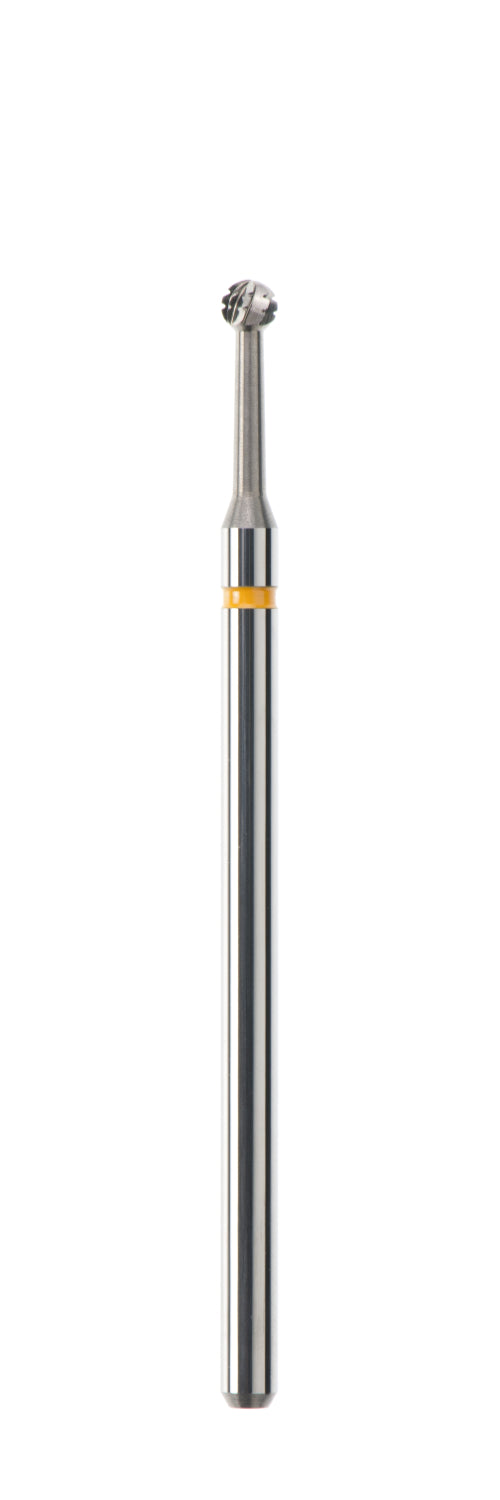
Rotatool RT501NEQ BALL BUR 2.1MM High quality, long lasting carbide bur manufactured in Germany by Acurata. More Info
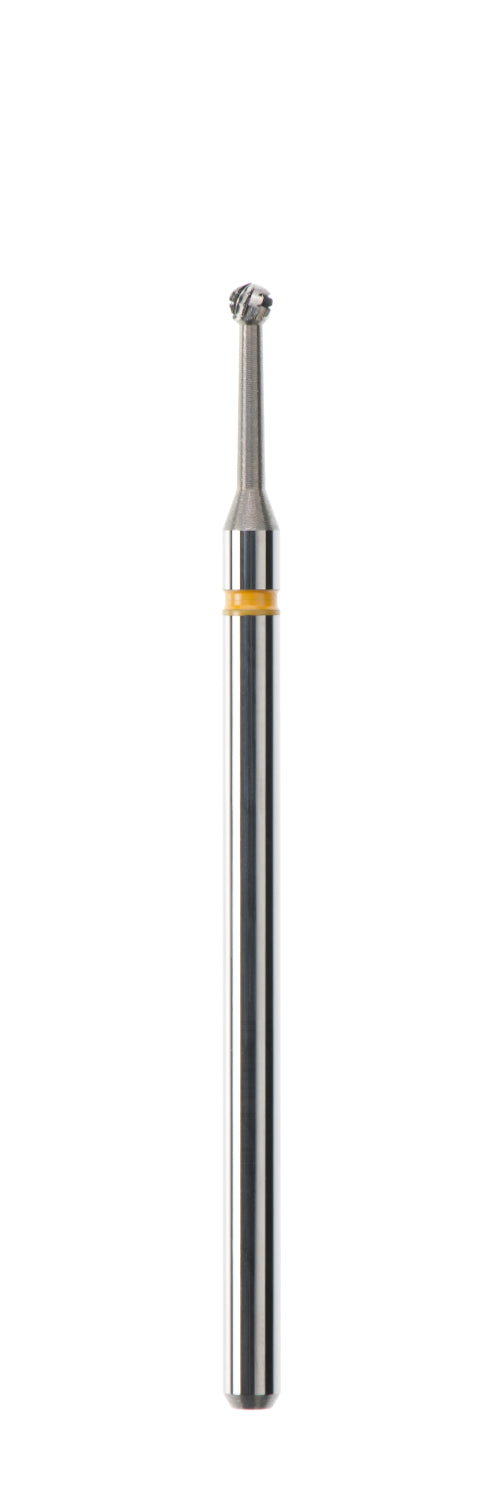
Rotatool RT502NEQ X-SMALL BALL BUR 1.8MM High quality, long lasting carbide bur manufactured in Germany by Acurata. More Info
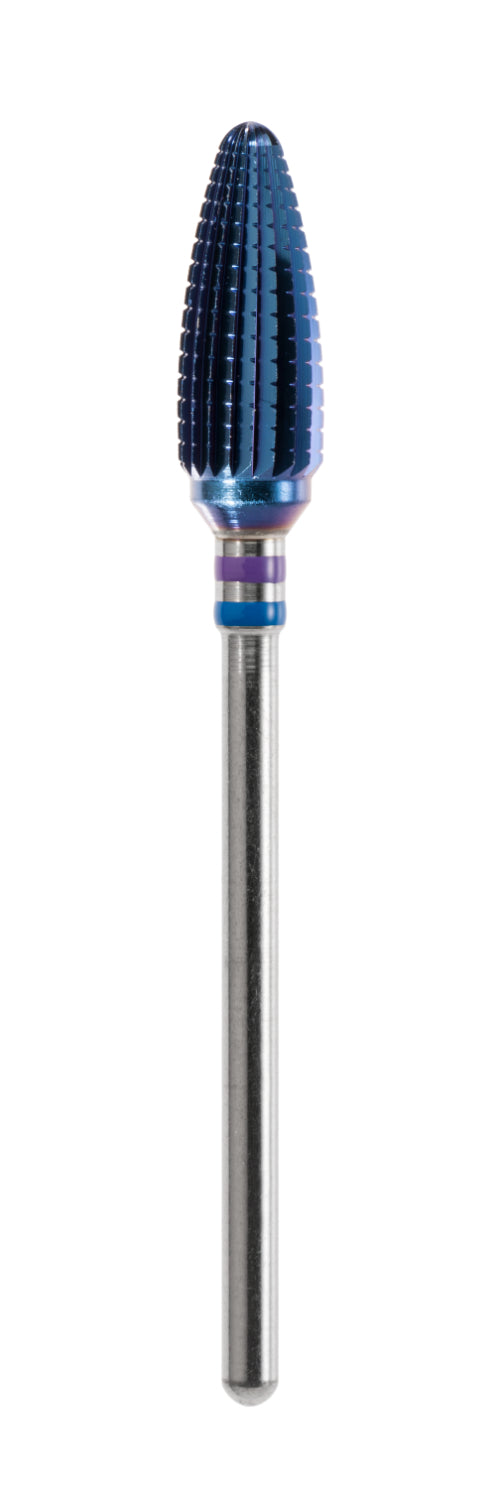
Rotatool RT515LSQ TIAIN CARBIDE CUTTER LARGE CONE BUR The blue TIAIN coating adds high durability, easy cleaning, and lower heat development. ...
View full details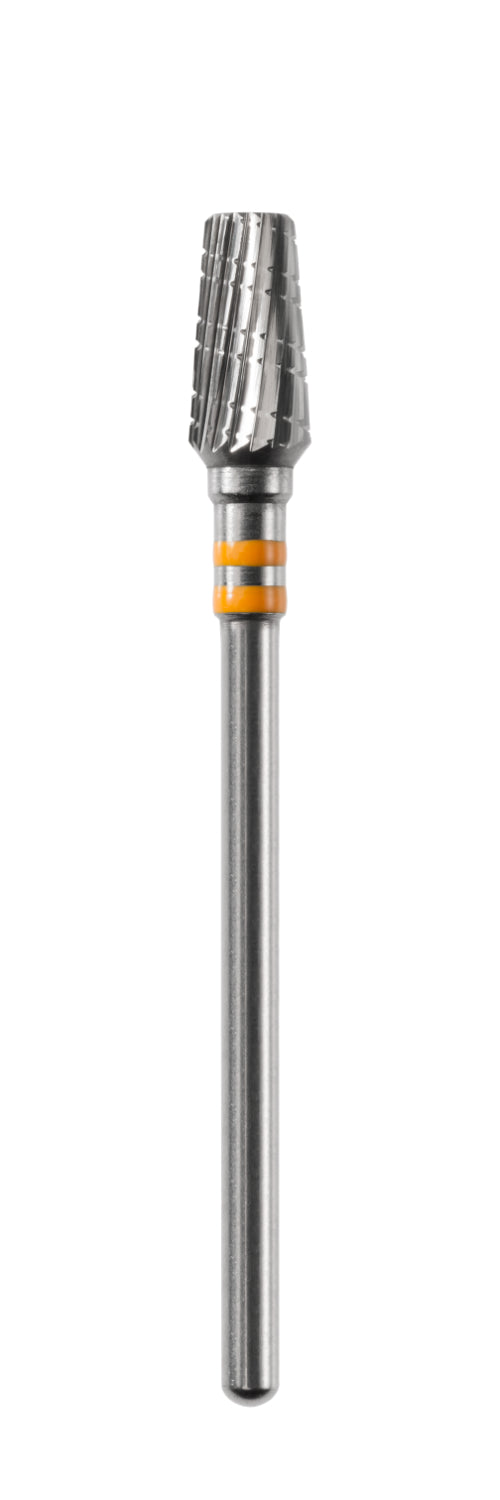
Rotatool RT560NEM CARBIDE EXTRA LARGE TAPERED BARREL DUAL CUT NEM burs offer coarse and fine segments, which results in unmatched cutting perfor...
View full details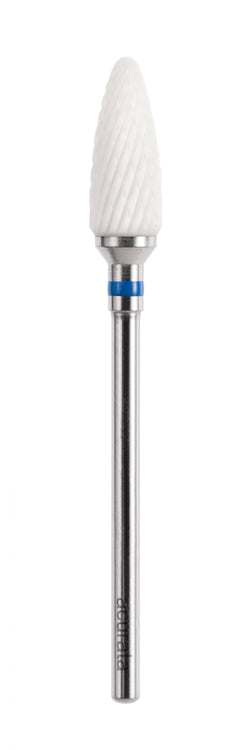
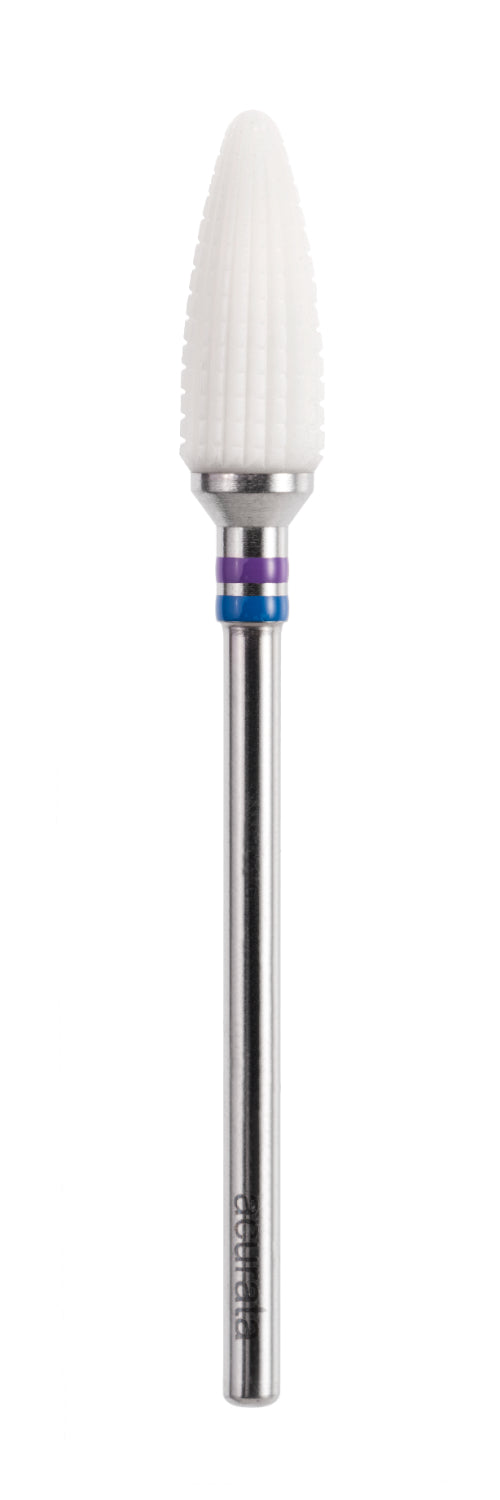
ROTATOOL RT815LSQ CERAMIC BUR LARGE CONE LSQ Ceramic burs generate less heat than carbide burs making them ideal for reducing thick nails. Hi...
View full details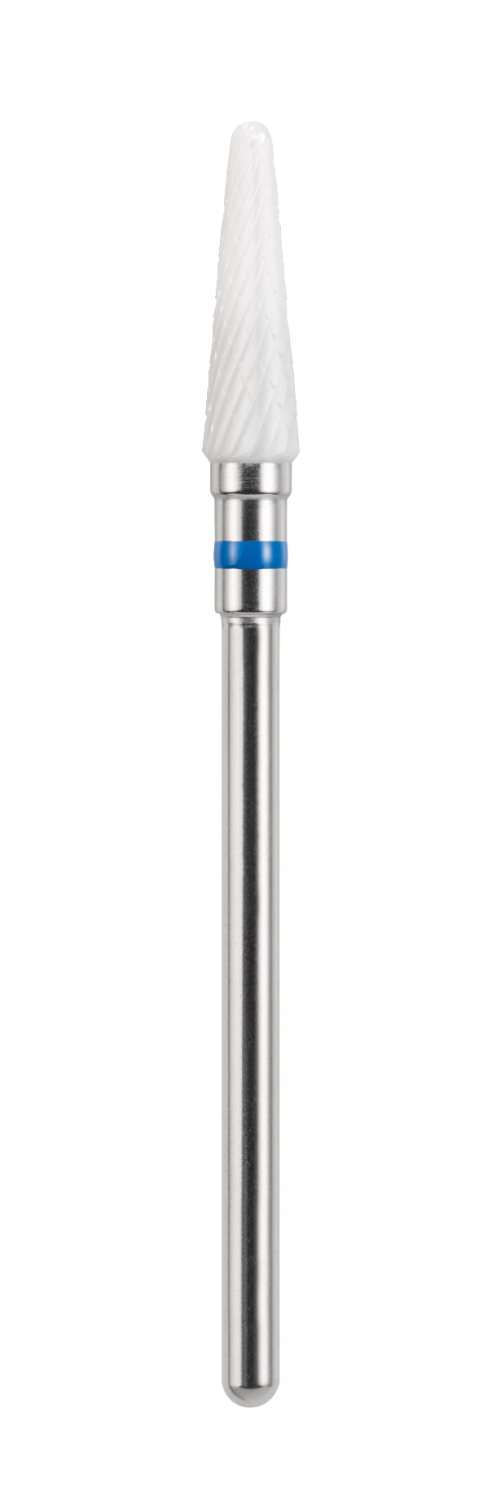
ROTATOOL RT812M CERAMIC BUR LONG THIN CONE MEDIUM CUT Ceramic burs generate less heat than carbide burs making them ideal for reducing thick nai...
View full details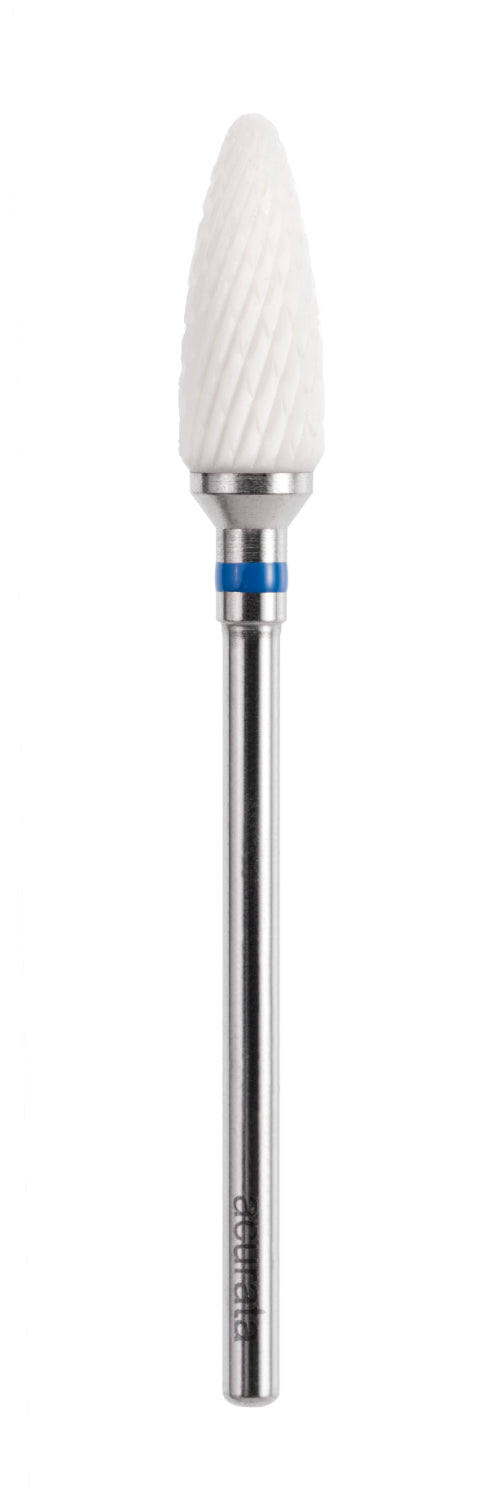
ROTATOOL RT815M CERAMIC BUR EXTRA LARGE CONE MEDIUM CUT Ceramic burs generate less heat than carbide burs making them ideal for reducing thick n...
View full details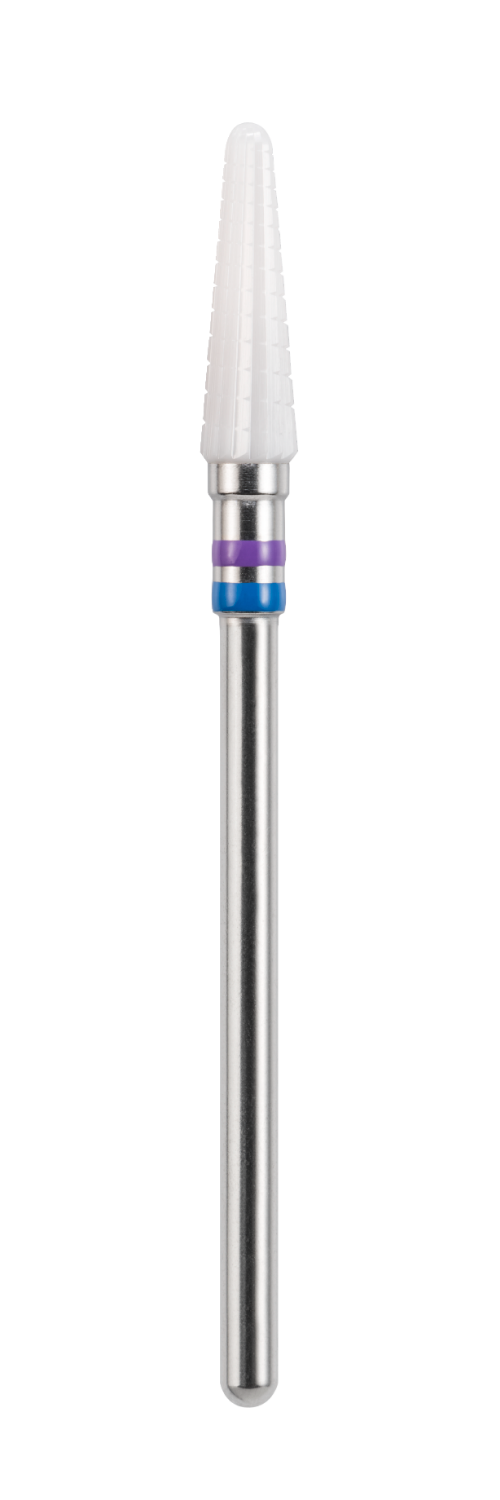
ROTATOOL RT812LSQ CERAMIC BUR LONG THIN CONE LSQ Ceramic burs generate less heat than carbide burs making them ideal for reducing thick nails. ...
View full details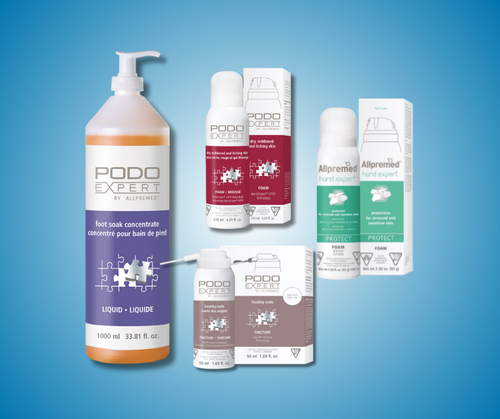
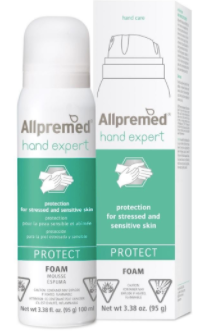
Allpremed® Hand Expert Foam Cream Protect Barrier foam cream to protect stressed and sensitive skin Key Description: For daily use to protect ...
View full details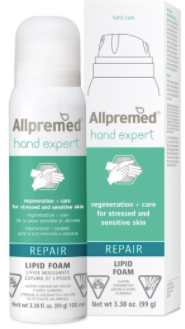
Allpremed® Hand Expert Foam Cream Repair Regeneration and care for stressed and sensitive skin Key Description: Elite, evidence-based formulat...
View full details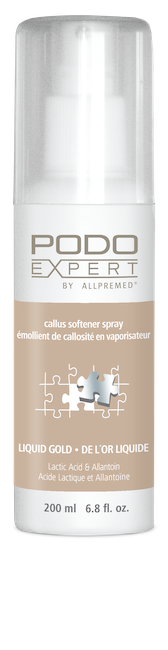
Podoexpert by Allpremed® Callus Softener LIQUID GOLD 200ml Ready-to-use LIQUID GOLD callus softener spray with Triple Effect3 Now with 10% Urea f...
View full details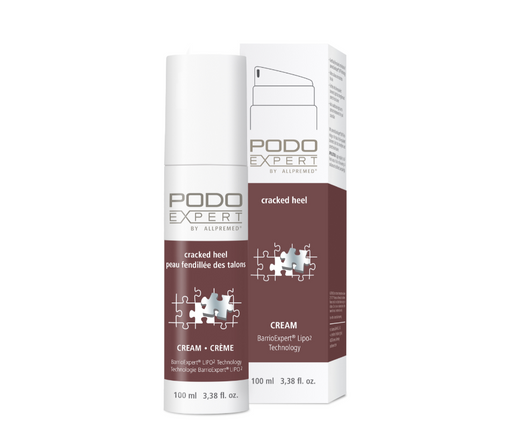
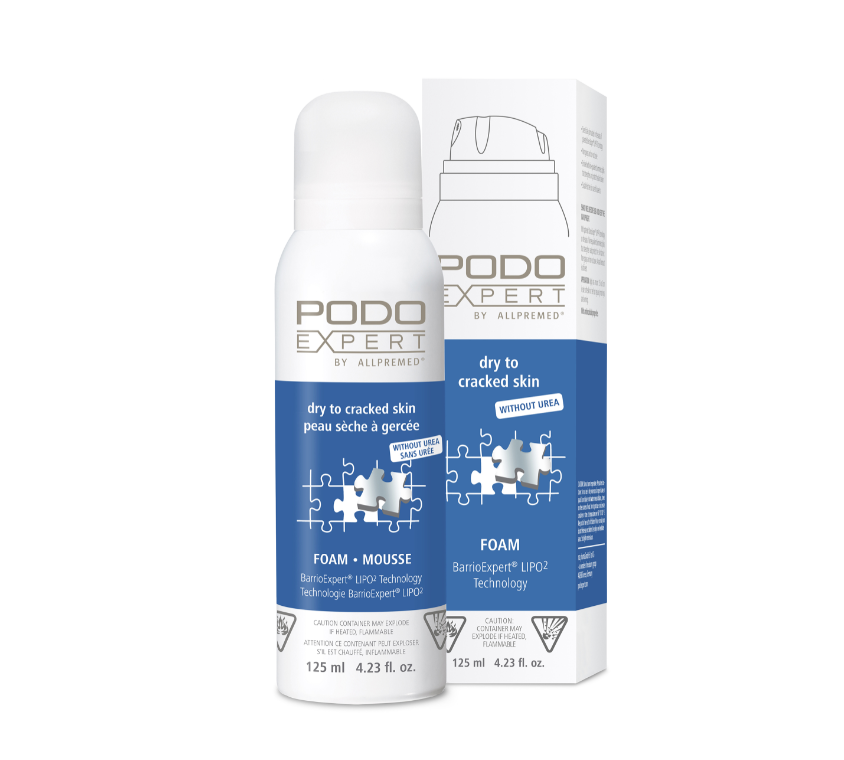
Podoexpert by Allpremed® Cracked Heel Cream Restorative heel cream with patented BarrioExpert® LIPO2 Skin Repair Technology Description: Elit...
View full details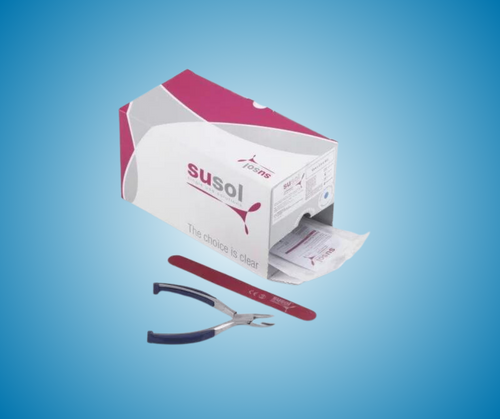
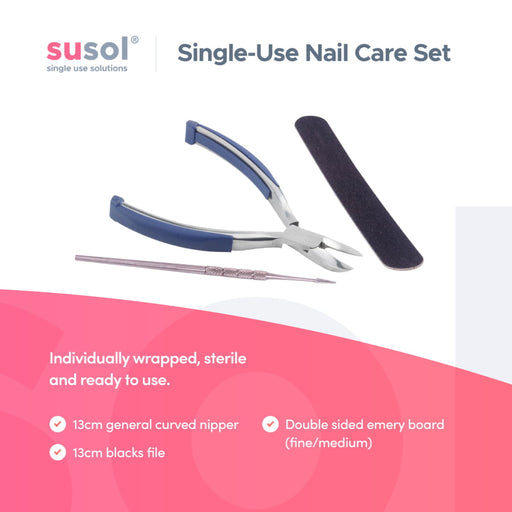
Susol Single Use Nail Care Set (3PC) Includes: Nail Cutter, Blacks File, and Emery Board Immediate on demand use No wait time for proce...
View full details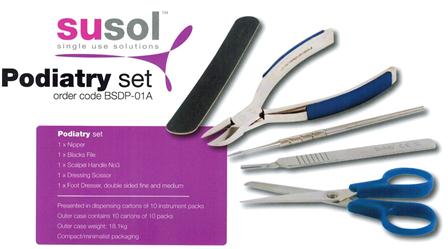
SUSOL Single Use Podiatry Set Includes: Nail Cutter, Blacks File CH07, Scalpel Handle No.3, Dressing Scissor and Emery Board. No chemicals...
View full details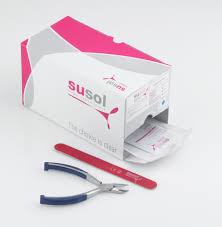
Susol Single Use Basic Nail Care Set (2PC) Save when you buy by the case! Includes: Nail Cutter and Emery Board Immediate on demand u...
View full details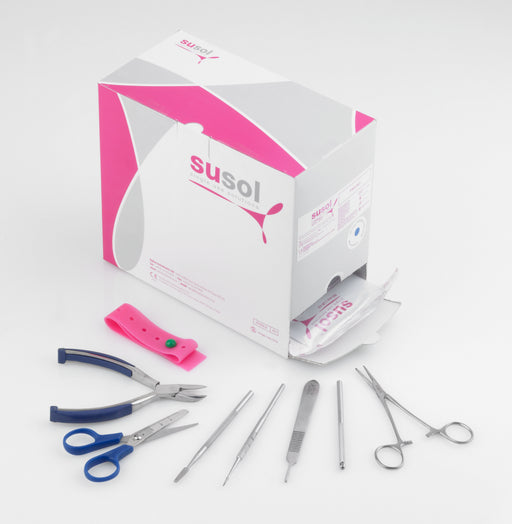
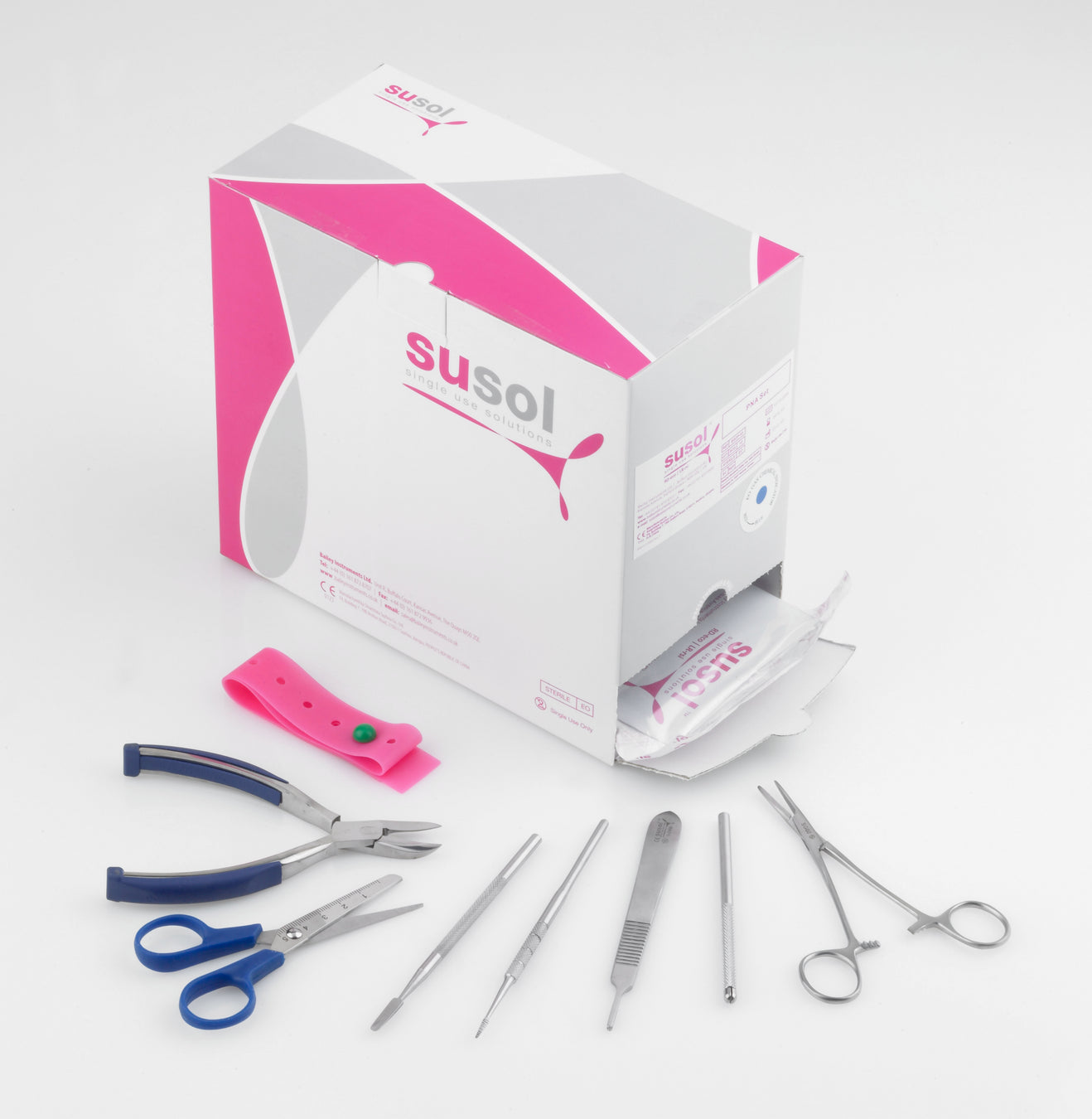
SUSOL Single Use PNA (Partial Nail Avulsion) Procedure Pack Includes: Thwaites Nipper, Mosquito Forceps, Scalpel Handle No.3, Blacks File, Sc...
View full details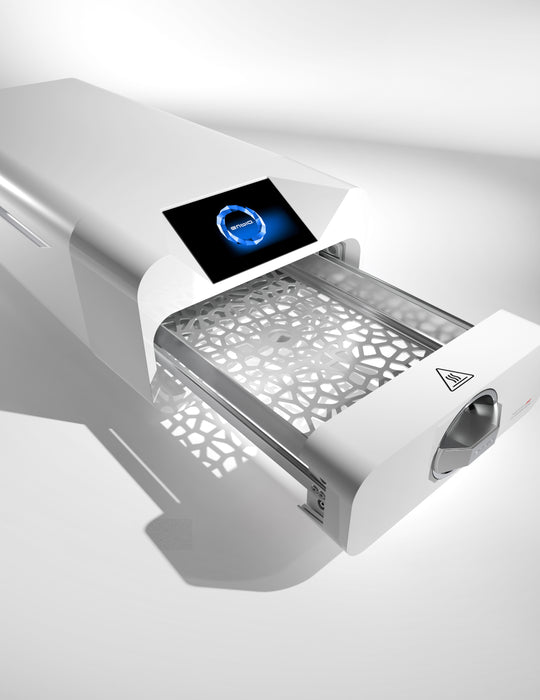
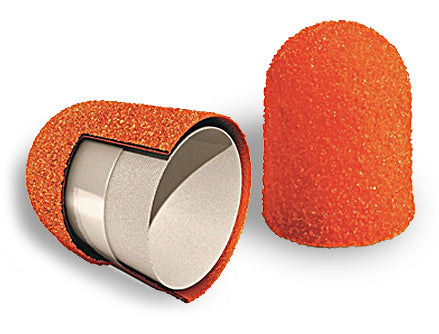
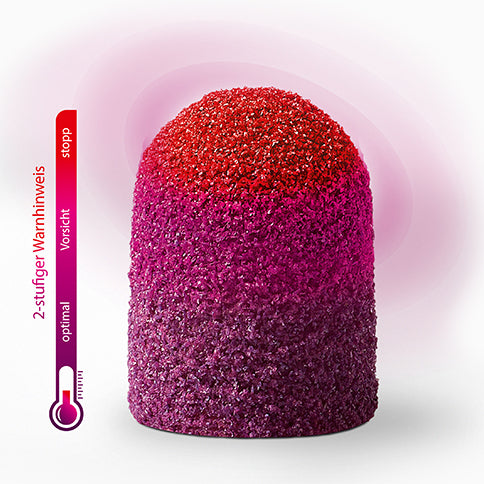
As an innovative, international manufacturer, LUKAS employs the advanced thermo technology to its abrasive caps: The patented colour change immediately signals a potential danger of overheating. Users and patients gain an enhanced level of safety.With the colour-change technology, the colour...
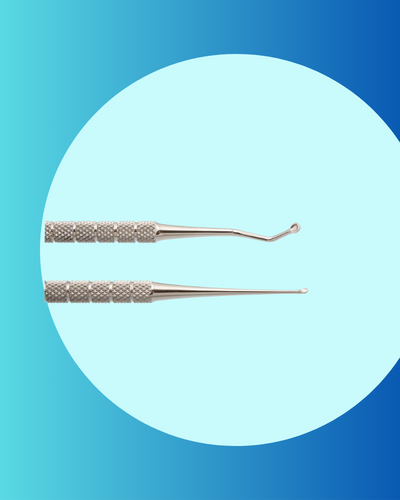
There are over 400 types of stainless steel. Stainless steel is an alloy and is man-made. Most surgical instruments are made from 4/20 (four twenty) grade stainless, its salient characteristics are its 14% chromium content which gives it its “stainless”...
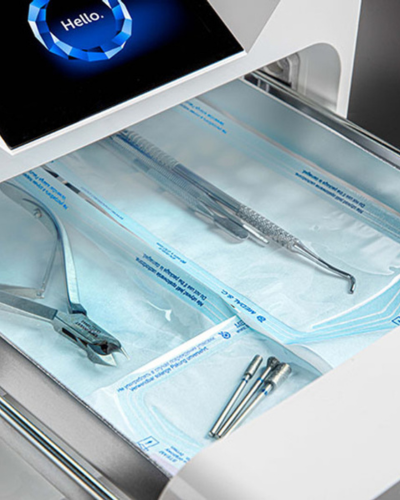
Stains are discoloration of metal by material being just added to the surface of the metal. Stains are often mistaken for rust- an actual change to the metal material. A brown/orange color stain is the most common and is often...